What are the primary uses of energy storage?
- Balancing production and consumption: In the case of solar PV systems, it maximizes self-consumption. Generation often exceeds immediate demand—for example, in households when no one is at home, or in companies during public holidays. Conversely, there are times when consumption outweighs production, such as during cloudy weather, early mornings, late afternoons, or at night. An energy storage system bridges this gap, covering the difference between current production and actual demand.
- Providing backup during power outages: While power outages are relatively rare in Hungary, they can be extremely disruptive. Storage systems capable of island-mode operation provide a vital energy reserve during these times.
- Reducing grid load (Peak Shaving): For large consumers, the fees for contracted power capacity represent a significant cost. By installing an energy storage system, these costs can be reduced even without a solar system. The storage can be charged from the grid during low-demand periods and utilized during peak hours. This levels out the peak demand seen by the grid, allowing for lower contracted capacity. In many industrial applications abroad, storage systems are often installed even before solar panels due to their rapid return on investment (ROI) for peak shaving.
- Increasing energy efficiency: Following EU directives, utility providers are expected to transition toward tiered (Time-of-Use) electricity pricing for an increasing number of consumers. This means electricity will be more expensive during peak periods (when the grid is stressed) and cheaper during off-peak hours. These periods will be predefined, allowing systems to be programmed for fully automated operation. Consequently, energy storage may become a viable investment even for apartment owners where solar installation is not an option. Size is no longer an obstacle; a unit the size of a shoe cabinet is sufficient to support an average apartment.
System Sizes:
Energy storage solutions range from small residential systems (starting as low as 5 kWh) to large-scale containerized solutions (e.g., 5 MWh). A small system typically consists of a solar inverter (even without panels) and a battery pack, suitable for both indoor and outdoor installation. Larger systems are generally housed in outdoor cabinets or shipping containers.
The Technology:
Most commonly, we utilize Lithium Iron Phosphate (LiFePO4) batteries, as this is a mature, safe, and highly stable technology. It also offers the most favorable price-to-value ratio for long-term use. While batteries are ideal for optimizing daily energy use or providing backup for a few days, current technology is not intended for seasonal storage (storing summer surplus for winter use—hydrogen-based storage may provide a solution for this in the future). Nevertheless, these systems remain a highly profitable investment today.
Available Grants: The "Jedlik Árnyos" Energy Program's upcoming tender, titled "Support for Renewable-based Energy Production and Energy Storage for Enterprises," is expected to launch soon. This program will offer up to 50% non-refundable storage installation grants for businesses.
The team at Energom Electronic Kft. is committed to providing the best possible solutions tailored to our partners' specific needs, which is why our portfolio is constantly expanding. We collaborate with multiple manufacturers and offer custom configurations alongside standard solutions.
Request a quote via our contact details:
E-mail: ajanlatkeres@energom.hu
Central Phone: +36-1-459-8010
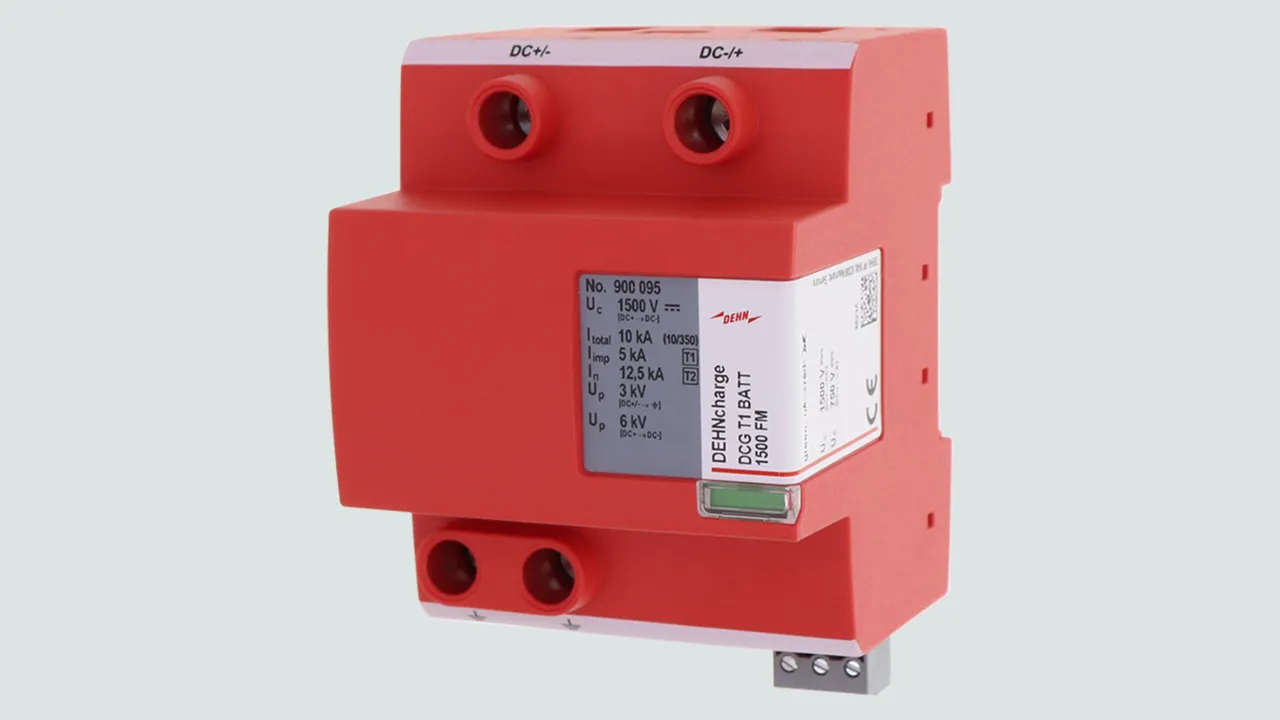
Expert Recommendation: For energy storage systems, we highly recommend the DEHNcharge (900 095) surge protection device, which provides protection for equipment operating at up to 1500V!
These systems represent a high-value, long-term investment. Let’s take every precaution to ensure their longevity and safety!



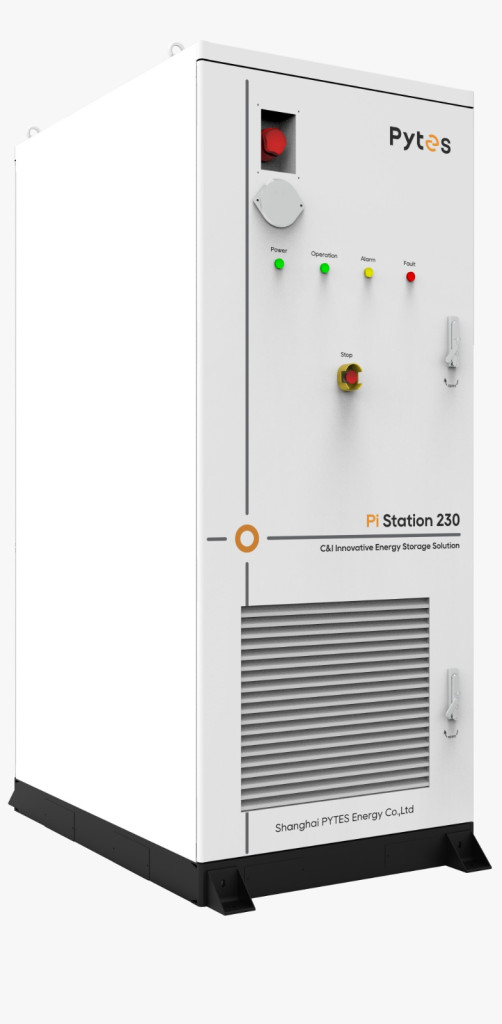 An energy storage system is a device or solution capable of capturing energy and holding it for later use when needed. Storage can occur in various forms, including mechanical, chemical, electrical, or thermal.